Prednisone monotherapy induced remission

The treatment of membranous lupus nephritis (MLN) is still controversial in the literature. We conducted a retrospective analysis of patients in two medical centers of São Paulo-Brazil in order to evaluate the clinical response in patients submitted to either a regimen with prednisone alone or to a double immunosuppressive regimen (prednisone plus cyclophosphamide or prednisone plus azathioprine).

Continue reading

Long-Term Outcome of Patients

Aims of our study were to describe the long-term survival in patients surviving an acute tubular necrosis (ATN) episode and determine factors associated with late mortality. We performed a prospective cohort study that evaluated the long-term outcome of 212 patients surviving an ATN episode. Mortality at the end of followup was 24.5%, and the probability of these patients being alive 5 years after discharge was 55%. During the followup, 4.7% of patients needed chronic dialysis. Univariate analysis showed that previous CKD (), cardiovascular disease (), age greater than 60 years (), and higher SCr baseline (), after 12 months () and 36 months (), were predictors of long-term mortality. In multivariate analysis, older age (HR = 6.4, CI 95% = 1.2–34.5, ) and higher SCr after 12 months (HR = 2.1, 95% CI 95% = 1.14–4.1, ) were identified as risk factors associated with late mortality. In conclusion, 55% of patients surviving an ATN episode were still alive, and less than 5% required chronic dialysis 60 months later; older age and increased Scr after 12 months were identified as risk factors associated with late death.

Continue reading

Can Delivery Dialysis Dose?

Intensity of dialysis dose in acute kidney injury (AKI) might benefit critically ill patients. The aim of this study was to evaluate the effect of intermittent hemodialysis (IHD) dose on mortality in patients with AKI. Methods: Prospective observational study was performed on AKI patients treated with IHD. The delivered dialysis dose per session was calculated based on single-pool Kt/V urea. Patients were allocated in two groups according to the weekly delivered median Kt/V: higher intensity dialysis dose (HID: Kt/V higher than median) and lower intensity dialysis dose (LID: Kt/V lower than median). Thereafter, AKI patients were divided according to the presence or absence of sepsis and urine output. Clinical and lab characteristics and survival of AKI patients were compared. Results: A total of 121 AKI patients were evaluated. Forty-two patients did not present with sepsis and 45 did not present with oliguria. Mortality rate after 30 days was lower in the HID group without sepsis (14.3% × 47.6%; p = 0.045) and without oliguria (31.8% × 69.5%; p = 0.025). Survival curves also showed that the HID group had higher survival rate when compared with the LID group in non-septic and non-oliguric patients (p = 0.007 and p = 0.003, respectively). Conclusion: Higher dialysis doses can be associated with better survival of less seriously ill AKI patients.

Continue reading

Sled with trisodium citrate 4%

The use of citrate as regional anticoagulation in the sustained low extended dialysis (SLED) in cancer patients with coagulation disorders tends to be much used, yet it is important to note that particularities which may be subject those patients with multiple clinical factors complicating. Aims: Check the clinical and laboratory characteristics of cancer patients using trisodium citrate in SLEDs; check the particularities of cancer dialysis patients using regional anticoagulation and assess the need for calcium replacement EV in SLED with regional citrate anticoagulation.

Continue reading

Evolution of chronic kidney disease

Renal cell carcinoma (CRC) is the 9th most common cancer in the world and its preferential treatment is partial nephrectomy (PN) in order to preserve more renal tissue and, consequently, its function. The amount of renal function preserved using this surgical method is still not well established and there may be the development of chronic kidney disease (CKD) even with PN. Aims: to evaluate the renal function of patients submitted to PN for localized renal tumors; to analyze the risk factors for progression of CKD in the postoperative period (PO) of PN.

Continue reading

Non Oncologic Histological

Kidney cancer in adults accounts for 2% to 3% of all malignancies. Recent studies have demonstrated the prevalence of various chronic non-neoplastic morbidities in patients with renal cancer, such as hypertension and diabetes. It is not clear whether the finding of histological changes not directly related to renal cell carcinoma predicts an unfavorable evolution of renal function or even only indicates alterations secondary to these morbidities with no evident clinical significance. Aims: To evaluate the non-oncological histological findings found in the descriptions of the pieces resulting from the partial nephrectomy of patients with localized renal carcinoma; to correlate these changes with the associated chronic morbidities in these patients.

Continue reading

Contrast imaging techniques

Iodinated contrast has been one of the most prescribed and used drugs in contrast imaging techniques and interventional procedures. However, some subjects may develop contrast-induced nephropathy (CIN) especially those in advanced chronic kidney disease (CKD). Diagnostic criterion is based on increasing 48h creatinine after receiving iodine. Given the fact that there is no specific treatment for CIN, prevention should be considered. Uncountable actions should be taken, including: reducing the dose, using a low-osmolar substance, avoiding dehydration and other nephrotoxic drugs. Currently, prevention has been based on using saline solution. A recent paper showed that for patients with stage 3 and 4 of CKD sodium bicarbonate did not provided greater benefit when compared to a saline solution, as well as comparing acetylcysteine to placebo. Regarding to gadolinium, besides nephrotoxicity is irrelevant, there is a risk for developing Nephrogenic Systemic Fibrosis (NSF) which may occur in those with GFR <60mL/min, particularly appears at a GFR <30mL/min. Current gadolinium use guidelines are related to patients with stage 5 (GFR <15mL/min) according to which they should undergo hemodialysis after examination.

Continue reading

Role of prognostic scores

Multiple myeloma (MM) has an average survival of seven years after chemotherapy and autologous bone marrow transplantation (BMT), being a common renal dysfunction associated with an early mortality. Currently, the most used scores to assess the prognosis of MM are Durie and Salmon (DS) and International Staging System (ISS) and there are few records of the work of these scores predicting renal damage after ABMT. Aims: to evaluate the scores of prognosis ISS and DS in renal function and mortality in patients with post BMT

Continue reading

Luz Intensa Pulsada

LUZ INTENSA PULSADA

Conheça a ação da luz pulsada na pele

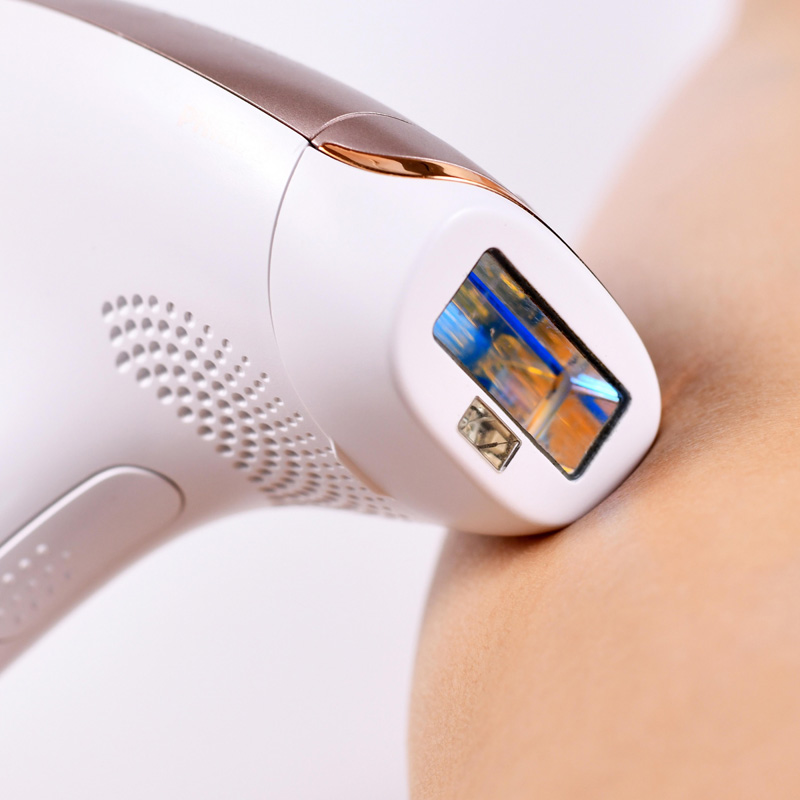
A luz intensa pulsada é um tratamento que realiza a emissão de diversas luzes para direções distintas da pele, com o objetivo de gerar calor e coagular o tecido. Ela ativa as reações químicas do nosso organismo, agindo somente em uma região específica do corpo tratada. a luz pulsada traz diversos benefícios. É um tratamento indicado para quem busca rejuvenescer a pele.

Quais os benefícios da luz pulsada para a saúde da minha pele?

Ideal para o rejuvenescimento, a luz intensa pulsada contribui com o aumento da espessura, estimula a produção de colágeno novo e reorganiza as fibras elásticas. Ela melhora a elasticidade e firmeza da pele. Em peles com os impactos do envelhecimento, a luz pulsada age na redução dos vasos e atenua o rubor e a vermelhidão. Além de suavizar as rugas, a textura áspera cutânea, ela melhora o aspecto das manchas.

Laser Fracionado

LASER FRACIONADO

O QUE É?

O laser fracionado é avançada tecnologia que realiza a produção de radiação eletromagnética. Ela atinge pontos pré-definidos na pele do paciente, proporcionando uma alteração química, física e biológica. Ele pode estimular a produção de colágeno novo e solucionar problemas que envolvem a melanina, por exemplo, atenuando manchas de sol. Além de ser indicado para outros fins como a flacidez, rugas, vasinhos e outros tipos de manchas.

Conheça as principais indicações para o tratamento com laser

– Melanoses solares
– Melasma
– Pigmentos de tatuagem
– Gordura localizada
– Pelos
– Lesões vasculares
– Estrias
– Celulite
– Flacidez facial
– Estética íntima
– Tratamentos genitais da mulher
– Cabelo

Aos pacientes nessas condições, o laser fracionado é ideal para solucionar problemas de pele. Ele pode ainda ser associado a outras técnicas e produtos e proporcionar resultados surpreendentes.